Our programmes

Our areas of work

Complementary actions responding to the needs of individuals, families and communities.

EDUCATIONAL STRUCTURES

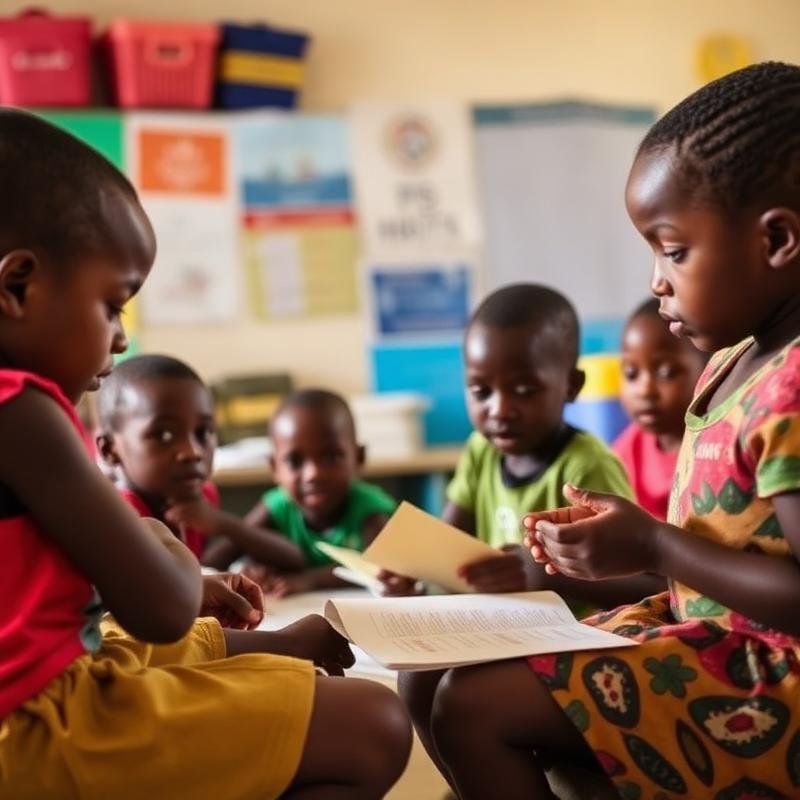
Centre Éducatif Le Réconfort supports children and young people in their academic, human, moral and spiritual development. Educational initiatives seek to strengthen learning, inclusion, personal development and youth leadership.

HEALTH STRUCTURES

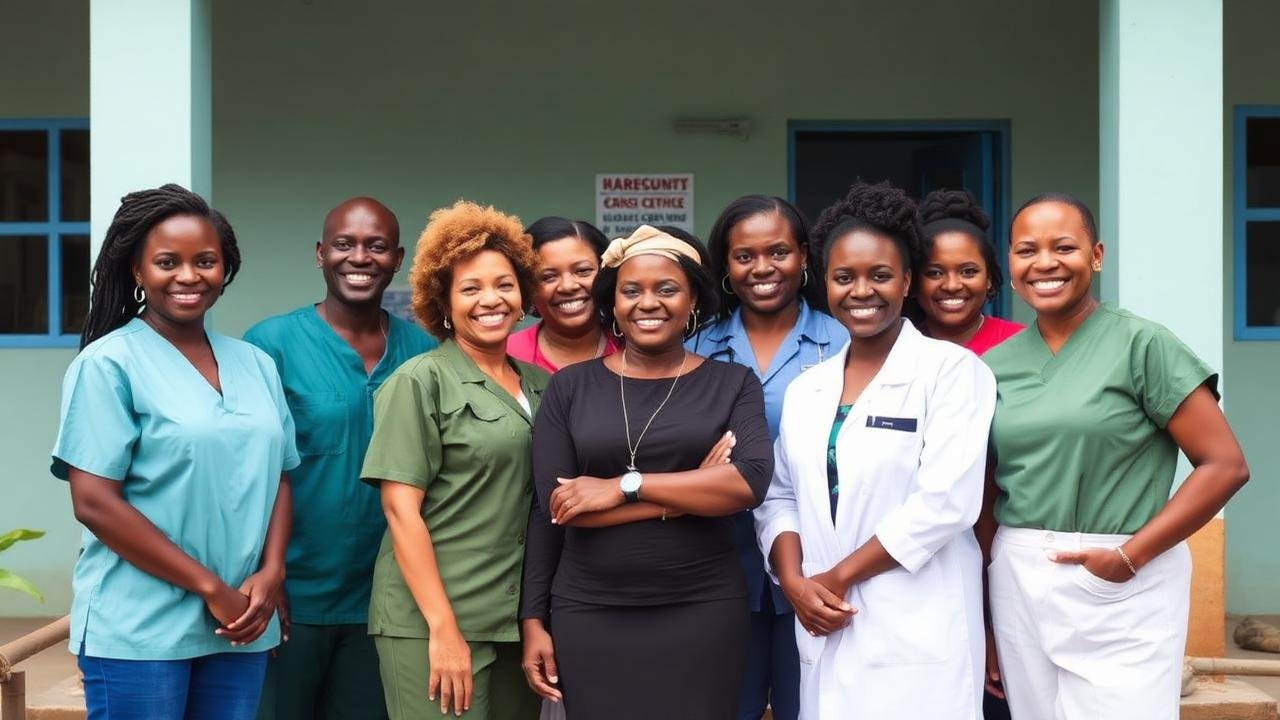
Le Réconfort health facilities and services help bring care closer to communities. Le Réconfort Maternal and Child Health Centre (CMIR) focuses on maternal and child health, pregnancy follow-up, support for mothers and family education.

SHELTER AND PROTECTION

Maison d’enfants / Centre d’accueil Le Réconfort is an initiative for the care and protection of children in vulnerable situations, respecting their dignity, rights and best interests. Protection activities also include family support, violence prevention and support to care facilities.

EDUCATION AND REHABILITATION

The Centre d’Education et de Réhabilitation develops educational and social support activities adapted to the needs of people served and the communities concerned.

TRAINING FOR YOUNG PEOPLE AND ADULTS

CEPTER is a training and support initiative aimed at developing skills, potential and self-reliance among young people. Vocational training may include practical courses, internships, entrepreneurship support, leadership and income-generating initiatives.

AGRICULTURE AND ENVIRONMENT

Agricultural and community programmes support food production, livestock, aquaculture, nutrition education and local economic development. They may also include environmental protection, reforestation, sustainable farming practices and renewable energy solutions.

ECONOMIC EMPOWERMENT AND SOCIAL HOUSING

CRESH encourages empowerment initiatives for women and young people, income-generating activities and economic support mechanisms, including microcredit initiatives where implemented. Social support may also include accommodation and improved living conditions for vulnerable people and families.

LEADERSHIP AND SPIRITUAL SUPPORT

Inspired by Christian values, leadership and spiritual support initiatives encourage values education, evangelism, responsibility, community service, peace and solidarity.
Eight complementary entities, one human purpose
Yon misyon ki konekte plizyè domèn

Eight complementary entities, one human purpose

CRESH organizes its work around eight entities that make the mission clearer and structure the skills involved. Each entity responds to a set of needs while working alongside the others.

Education, health, protection, accommodation, pastoral leadership, economic empowerment, agriculture and community development are not isolated activities. They can reinforce one another when a family needs more than one form of support.

This structure also makes dialogue with partners easier: an institution may support one entity, contribute to a cross-cutting activity or offer expertise that benefits several programmes.

One mission connecting different areas
Responses shaped by each community’s realities
From proximity to sustainability

Responses shaped by each community’s realities

CRESH favours an approach that begins with listening and identifying needs. The realities of a neighbourhood, a family or a group are not always the same; responses must therefore take account of context, available capacities and expressed priorities.

Initiatives may combine awareness-raising, support, training, equipment, local services, family assistance and community mobilization. Participation by the people concerned helps make actions relevant and strengthens local ownership.

Monitoring activities makes it possible to identify what works, recognize difficulties and steadily improve working methods.

From proximity to sustainability
Working together

Partners strengthen the reach of our work

No organization can address every human and social challenge alone. Medical, educational, technical, agricultural, financial, logistical and community skills can complement one another.

CRESH seeks to develop structured cooperation with public institutions, NGOs, foundations, churches, businesses, local associations, professionals and committed individuals. Arrangements are defined according to objectives, responsibilities and each partner’s capacity.

A strong partnership is also measured by clear commitments, respect for people and the ability to account for resources and results.

Working together